
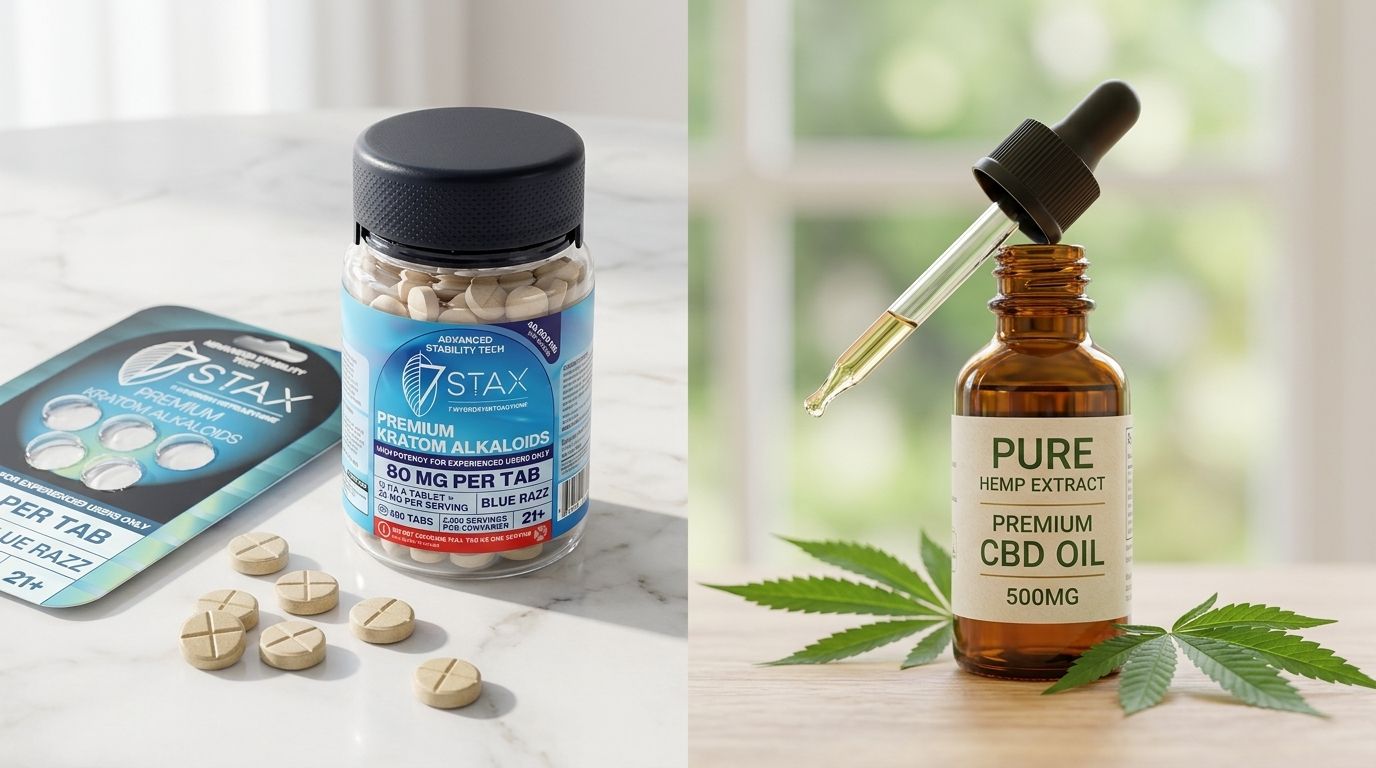
CBD and 7-hydroxymitragynine both live in the wellness space, but the two compounds work in very different ways. CBD comes from the hemp plant. 7-OH is an alkaloid found in kratom leaf and, in higher concentrations, in pressed tablets.
Both attract users who want a natural option to support their routines, and both have devoted communities. Yet the effects, potency, cost, and use cases sit at very different points on the spectrum.
This guide breaks down the practical differences so you can pick the right tool for your goals. Whether you already use one and are curious about the other, or you are new to both, this comparison covers the details that shape the decision.
The Basics of CBD
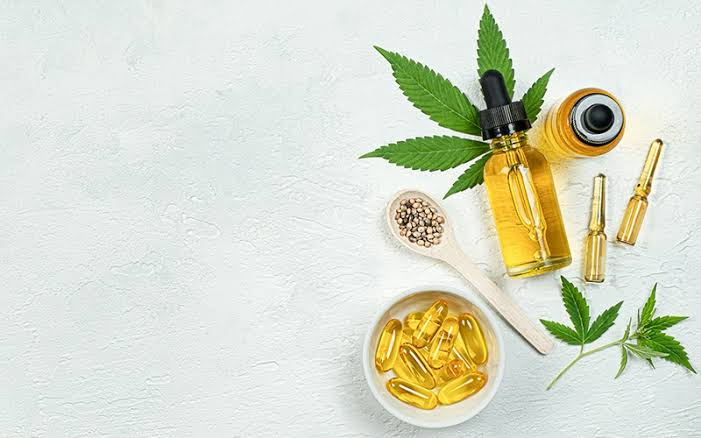
CBD, or cannabidiol, is a compound found in the hemp plant. It does not produce a psychoactive high, which is one of the main reasons it became popular as a wellness supplement.
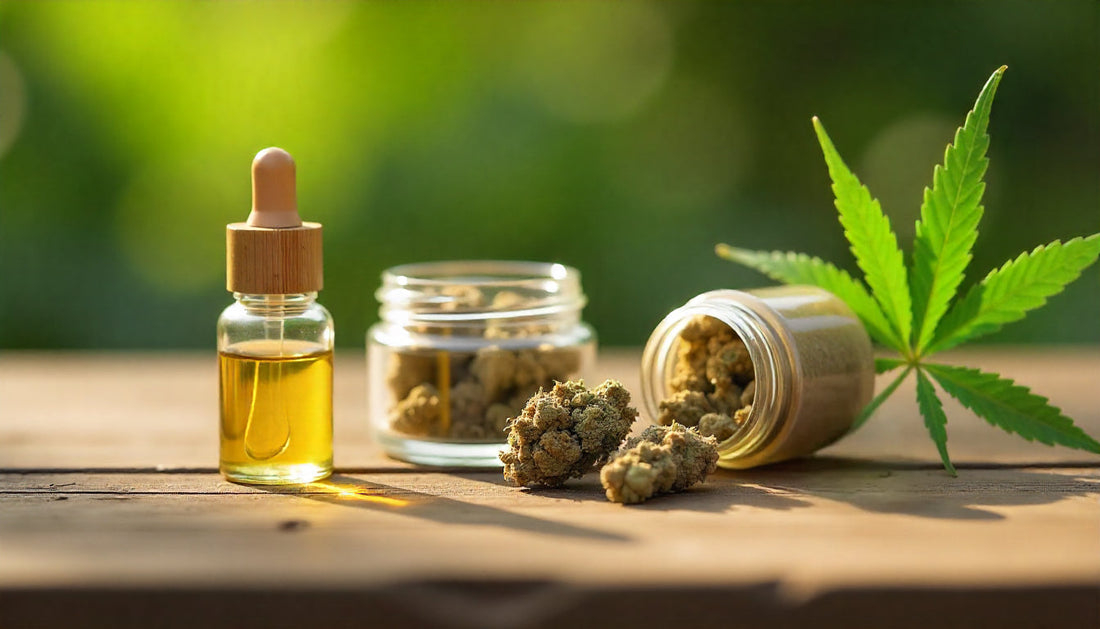
CBD is available as oils, gummies, capsules, tinctures, and topical creams. Most products list milligram counts per serving, with common doses ranging between ten and fifty milligrams.
CBD interacts with the body’s endocannabinoid system, which plays a role in stress response, sleep, appetite, and pain signaling. Users report a gentle calming effect, better sleep quality, and a general sense of ease. The effects tend to be subtle rather than dramatic.
The Basics of 7-Hydroxymitragynine
7-OH is an alkaloid derived from kratom leaf. It is a metabolite of mitragynine, meaning the liver converts a portion of mitragynine into 7-OH after consumption.
Modern brands like 7Stax isolate 7-OH and press it into precise tablets, delivering a much stronger effect per milligram than raw kratom powder.
7-OH interacts with opioid receptors in the brain, though the exact profile is more nuanced than the term suggests.
Users report a lift in mood, physical comfort, and a defined sense of focus or ease depending on the dose. Effects arrive faster than CBD and feel more pronounced.
Comparing the Two Head to Head
Potency
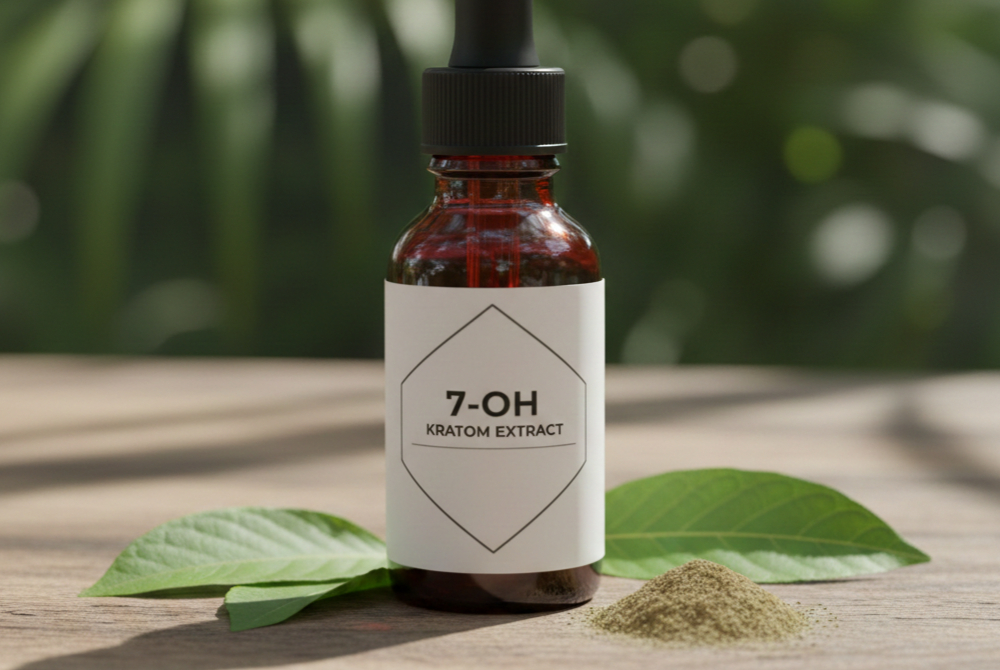
7-OH delivers a much stronger effect per milligram than CBD. A single 80mg 7-OH tablet often produces a clear, noticeable session.
Reaching a similar level of pronounced effect from CBD alone is not really possible because the two compounds work through different pathways.
CBD produces gentle wellness support. 7-OH produces defined sessions with clear onset, peak, and duration.
Onset Time
CBD onset varies by format. Oils held under the tongue can start working in fifteen to twenty minutes.
Gummies and capsules take thirty to sixty minutes. 7-OH tablets typically land within fifteen to thirty minutes because the isolated compound bypasses the metabolic conversion required for raw kratom.
Duration
CBD effects can last four to six hours, though many users describe the sensation as steady background support rather than a clear session.
7-OH tablet effects last three to five hours, with a defined peak and taper. Neither format is inherently longer or shorter overall, but the shape of the experience is very different.
Cost Per Session
CBD prices vary widely based on brand, potency, and format. Quality CBD oils range from thirty to eighty dollars for a thirty-milliliter bottle. Regular users often spend around one dollar per session.
7-OH tablet cost per session depends on strength and bottle size. Buyers who choose 7-OH tablets from a premium brand typically find the per-session cost competitive when compared to mid-tier CBD.
Legality and Availability
CBD derived from hemp with less than 0.3% THC is federally legal in the United States, though some states have additional restrictions.
7-OH tablet legality varies by state, and buyers should check local rules before ordering. Reputable brands like 7Stax list shipping restrictions clearly on product pages so you know before checkout.
Best Use Cases
When CBD Is the Better Pick?
- You want gentle, subtle daily wellness support
- You are sensitive to potent compounds and prefer a soft profile
- You need something you can take multiple times per day without noticeable effect on focus or energy
- You want a topical option for muscles or skin
When 7-OH Is the Better Pick?
- You want a defined session with clear onset and peak
- You need a stronger tool for stress, physical comfort, or focus
- You prefer accurate milligram dosing in a small tablet format
- You have used kratom powder and want a cleaner, more precise option
Can You Use Both Together?
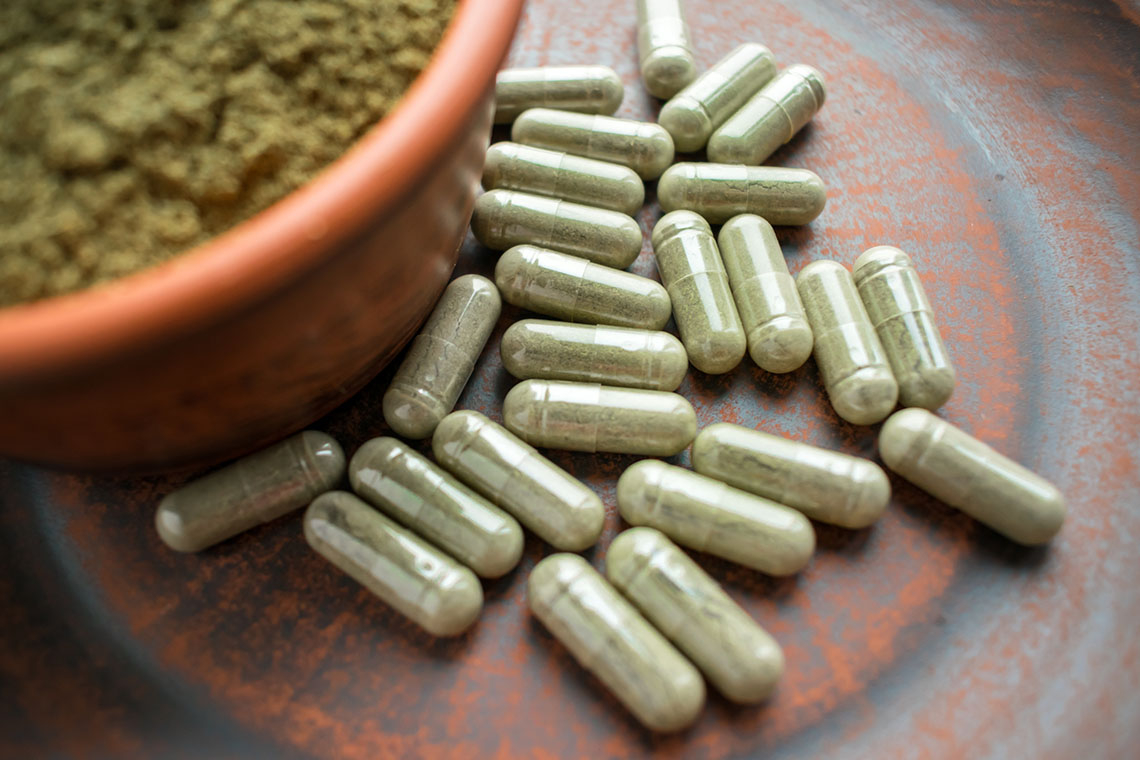
Some users pair the two, taking CBD daily as a wellness baseline and reserving 7-OH tablets for specific sessions where they want a stronger effect.
If you plan to combine them, start with lower doses of each and increase only after you understand how your body responds to the combination.
Avoid combining either compound with alcohol or sedative medications. Talk with a healthcare provider before stacking either product with prescription medications, especially those that affect the liver or central nervous system.
Quality Control Standards for Both
Both categories reward buyers who choose brands with rigorous lab testing. For CBD, look for products tested by third-party labs for cannabinoid potency, heavy metals, pesticides, and residual solvents.
For 7-OH, look for tests covering active alkaloid percentage, heavy metals, microbials, and residual solvents.
Trusted brands publish current certificates of analysis for every batch. If a brand refuses to share testing or only shows outdated panels, treat that as a signal to shop elsewhere.
Both compounds are effective when sourced properly. Both can be unreliable or unsafe when sourced from bargain sellers who cut corners.
Getting Started With Either
New CBD users should start with a low-dose oil or gummy. Ten to fifteen milligrams once daily gives your body time to respond. Increase gradually over one to two weeks if needed.
New 7-OH users should start with a single tablet at the lowest available strength. Take it on a calm afternoon with a light meal. Wait the full onset window before deciding on additional tablets.
If 80mg feels right, stick with it. If it feels heavier than expected, drop to a split tablet for the next session.
For heavier users who already know their preferred strength, a 7Stax premium 7-OH kratom tablets package lowers the per-tablet cost significantly and keeps months of consistent product on hand.
Frequently Asked Questions
[su_spoiler title=”Is CBD or 7-OH stronger?” style=”fancy”]
7-OH is significantly more potent per milligram. CBD offers gentle background support. 7-OH offers defined sessions with clear peaks.
[/su_spoiler]
[su_spoiler title=”Can I take both in the same day?” style=”fancy”]
Some users do, but only after they understand how each affects them individually. Start with low doses of each and never combine with alcohol or sedative medications.
[/su_spoiler]
[su_spoiler title=”Will either show up on a drug test?” style=”fancy”]
Standard employment drug panels do not typically test for kratom alkaloids or hemp-derived CBD. Specialized panels can detect either. If your work runs specific testing, ask your employer or a medical professional for details.
[/su_spoiler]
[su_spoiler title=”Which is safer?” style=”fancy”]
Both are considered relatively low risk when sourced from tested, reputable brands and used responsibly. Follow the label, avoid stacking with depressants, and consult a healthcare provider if you have medical conditions or take prescriptions.
[/su_spoiler]
The Verdict
CBD and 7-OH are not really competing products. They serve different goals within the same wellness space. CBD suits users who want a soft, all-day background layer of ease.
7-OH suits users who want a stronger, more defined tool for specific sessions. Many buyers keep both on hand and pick based on the day.
Once you understand what each compound actually does, the shopping decision becomes about matching the tool to the goal.
Choose CBD for gentle daily support. Choose 7-OH tablets for focused, precise sessions when you want something more pronounced. Both have earned their place in the modern wellness cabinet.